Walnut for Babies: When to Start and How to Serve It Safely
- From around 6 months
- Common allergen (tree nuts)
- Never whole nuts
Walnut is a tree nut, and tree nuts are a common allergen. Like other allergens, you can offer it from around 6 months, once your baby has started solids: finely ground or as smooth nut butter mixed into food, one new allergen at a time, and keep offering it if there’s no reaction. Whole or chopped nuts are a choking risk for children under 5. If your baby has severe eczema or a known food allergy, talk to your GP first.
📲 46 Bibful recipes with walnutHow to serve it by age
-
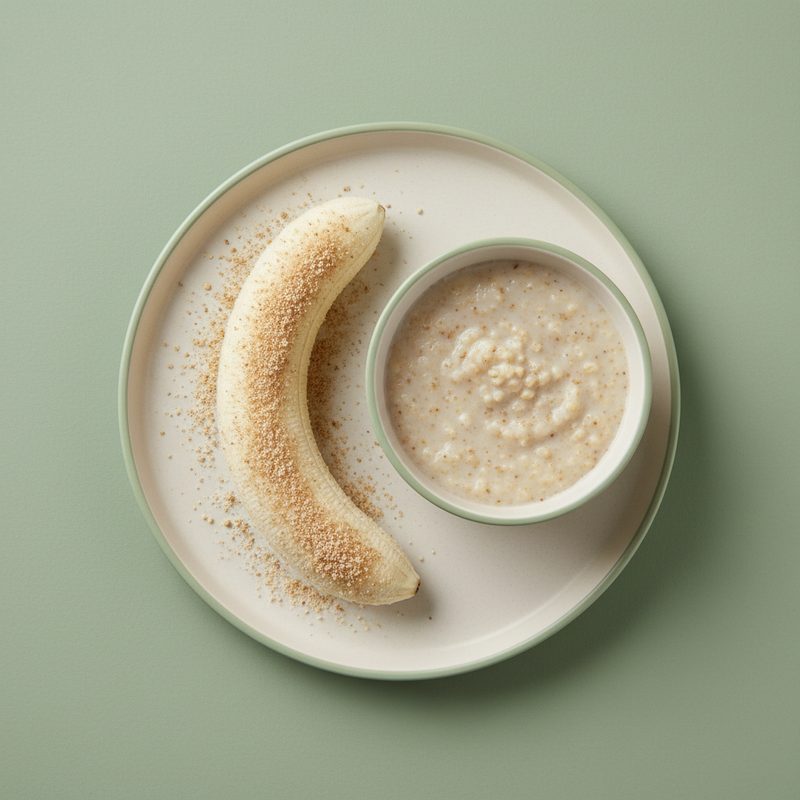 6–8 months
✋ Finger food (BLW)
Roll soft, slippery finger foods such as ripe banana in very finely ground walnut; never whole or chopped pieces.
🥣 Purée or spoon
Stir a little finely ground walnut, or smooth walnut butter thinned with water or breast milk, into porridge, yoghurt or purée.
-
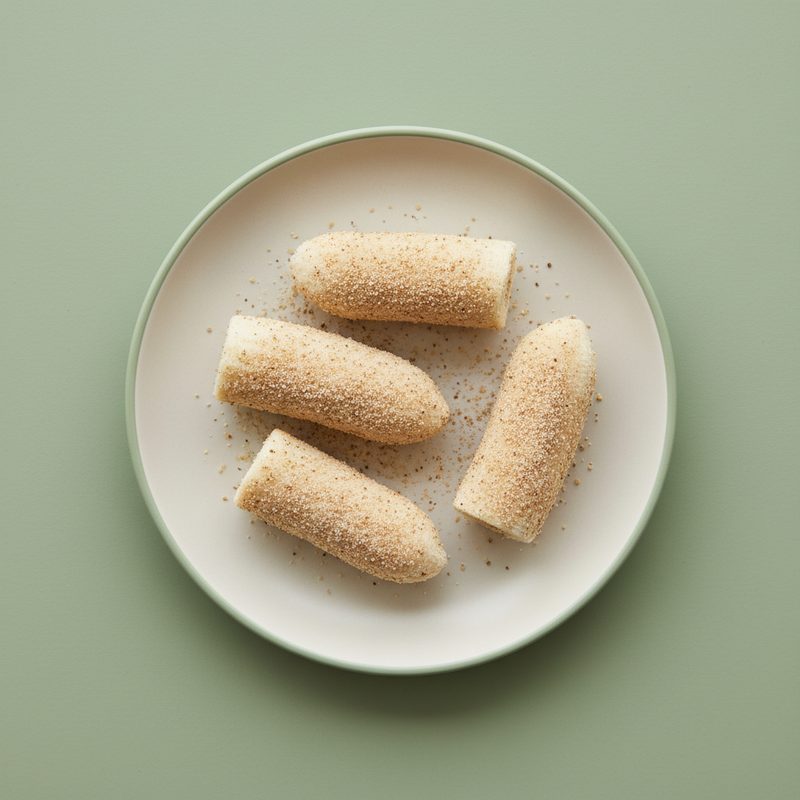 9–12 months
✋ Finger food (BLW)
Banana or soft pancake fingers rolled in finely ground walnut, or toast with a very thin smear of smooth nut butter.
🥣 Purée or spoon
Keep stirring ground walnut into porridge, yoghurt and baking.
-
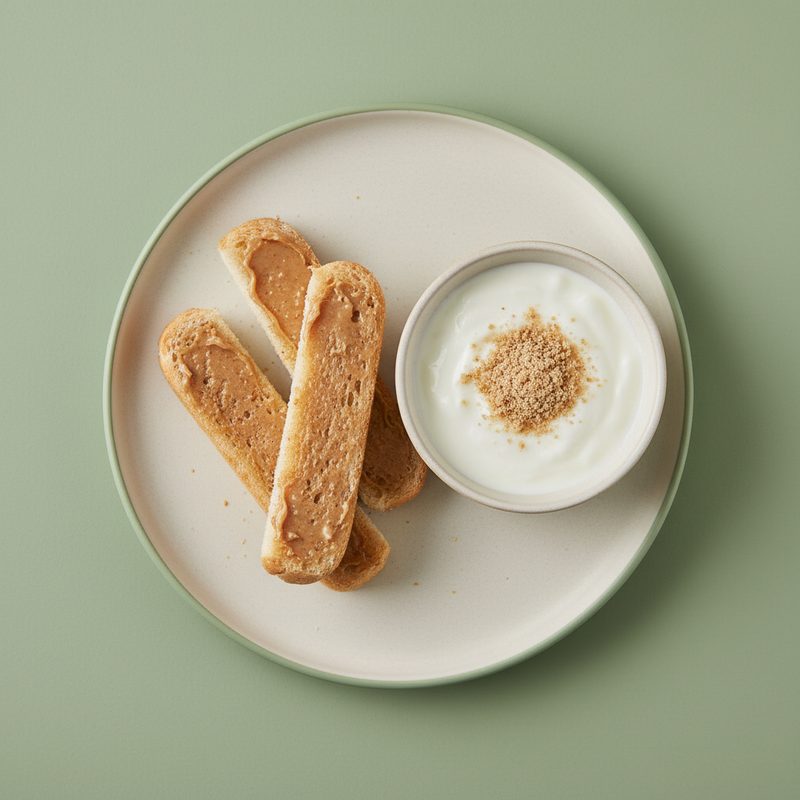 12+ months
✋ Finger food (BLW)
A thin spread of smooth walnut butter on toast or pancakes, or ground walnut baked into soft muffins.
🥣 Purée or spoon
Mix ground walnut into sauces, porridge or yoghurt.
Have walnut at home? See what you can cook
Add a second ingredient to see matching Bibful recipes.
46 Bibful recipes with walnut
 Apple, Cinnamon & Walnut Muhallebi13 min · from 6 months
 Kefir, Apricot & Walnut Bowl13 min · from 6 months
 Apple Walnut Pan Cake22 min · from 6 months
Free to start, with 50+ recipes free · iPhone & Android · no account needed
Preparation tips
- Never whole or chopped nuts. Nuts are a choking risk for children under 5, whatever their size.
- Grind it fine. Blitz walnuts until they’re as fine as flour, with no hard bits left, or use a smooth nut butter.
- Plain and unsalted. Choose plain walnuts or 100% nut butter with no added salt or sugar.
Frequently asked questions
When can babies have walnut?
From around 6 months, once your baby has started solid foods, finely ground or as smooth nut butter mixed into food. Whole nuts aren’t safe until 5 years.
Can I give walnut and peanut on the same day?
Introduce one new allergen at a time, so you know what caused any reaction. Once your baby has had both without a problem, they can be eaten together.
What are the signs of an allergic reaction?
Signs can include hives or a rash, swelling of the lips or face, vomiting, or coughing and wheezing, usually soon after eating. If your baby has trouble breathing or swallowing, call emergency services straight away. For milder signs, stop giving walnut and speak to your GP.
More first foods
- 🍎 Apple
- 🥑 Avocado
- 🍌 Banana
- 🥩 Beef
- 🫐 Blueberries
- 🍞 Bread
- 🥦 Broccoli
- 🎃 Butternut squash
- 🥕 Carrot
- 🥦 Cauliflower
- 🌿 Celery
- 🧀 Cheese
- 🍗 Chicken
- 🫘 Chickpeas
- 🥥 Coconut
- 🥒 Courgette
- 🥚 Egg
- 🫛 Green beans
- 🍖 Lamb
- 🫘 Lentils
- 🥭 Mango
- 🥛 Cow’s milk
- 🥣 Oats
- 🍝 Pasta
- 🥜 Peanut
- 🍐 Pear
- 🫛 Peas
- 🥔 Potato
- 🦐 Prawns
- 🫑 Red pepper
- 🍚 Rice
- 🐟 Salmon
- 🥬 Spinach
- 🍓 Strawberries
- 🍠 Sweet potato
- 🥄 Tahini
- Tofu
- 🍅 Tomato
- 🥛 Yogurt
Turn this into tonight’s meal
Bibful turns what's in your fridge into age-appropriate weaning meals — no account needed. Available now on iOS & Android.


This page is general information, not medical advice. It follows NHS Start for Life and World Health Organization guidance on introducing solid foods. Always stay with your baby while they eat, and speak to your health visitor or GP if you have concerns about feeding, allergies or choking.