Bread for Babies: How to Serve It at Every Age
- From around 6 months
- Common allergen (wheat)
- Lightly toasted, low salt
Bread can be offered from around 6 months, usually as lightly toasted fingers with a soft spread. Most bread contains wheat, a common allergen, so start with a small amount. Bread also contains salt, so choose lower-salt bread and keep portions small.
📲 21 Bibful recipes with breadHow to serve it by age
-
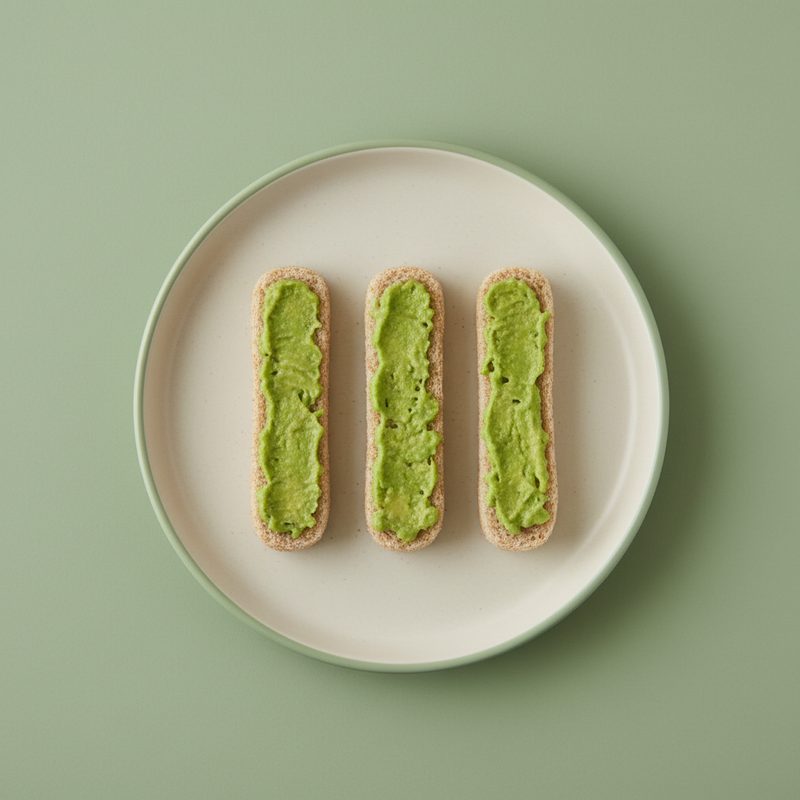 6–8 months
✋ Finger food (BLW)
Offer lightly toasted fingers with the crusts removed, about the size of an adult finger, thinly spread with mashed avocado, banana or nut butter.
🥣 Purée or spoon
Use toast fingers to dip into purées, yogurt or hummus.
-
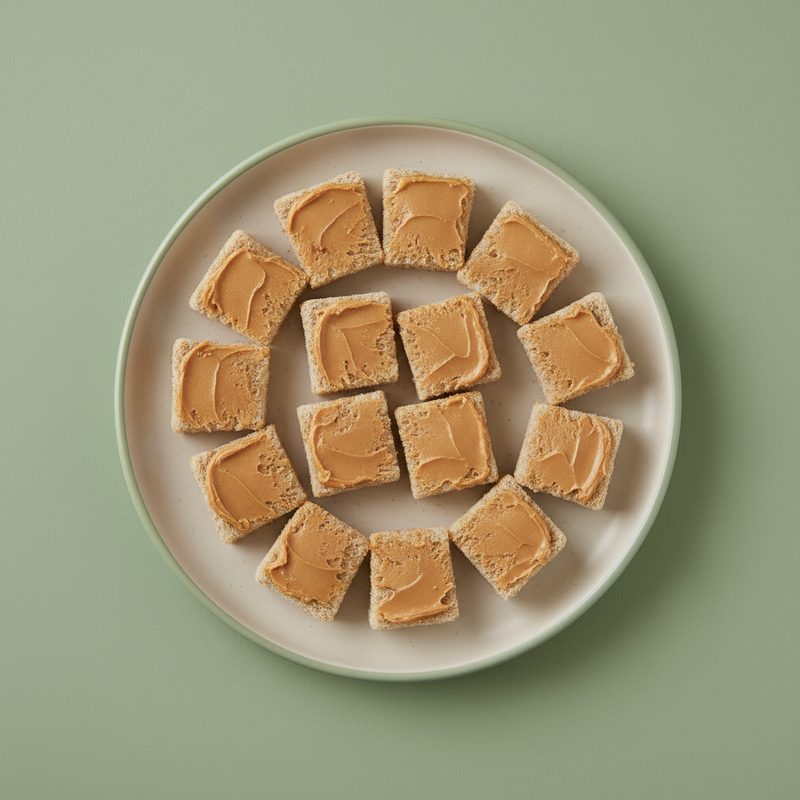 9–12 months
✋ Finger food (BLW)
Cut lightly toasted bread into small squares of about 2 cm with a thin spread.
🥣 Purée or spoon
Tear soft bread into soups and stews to soak up the liquid.
-
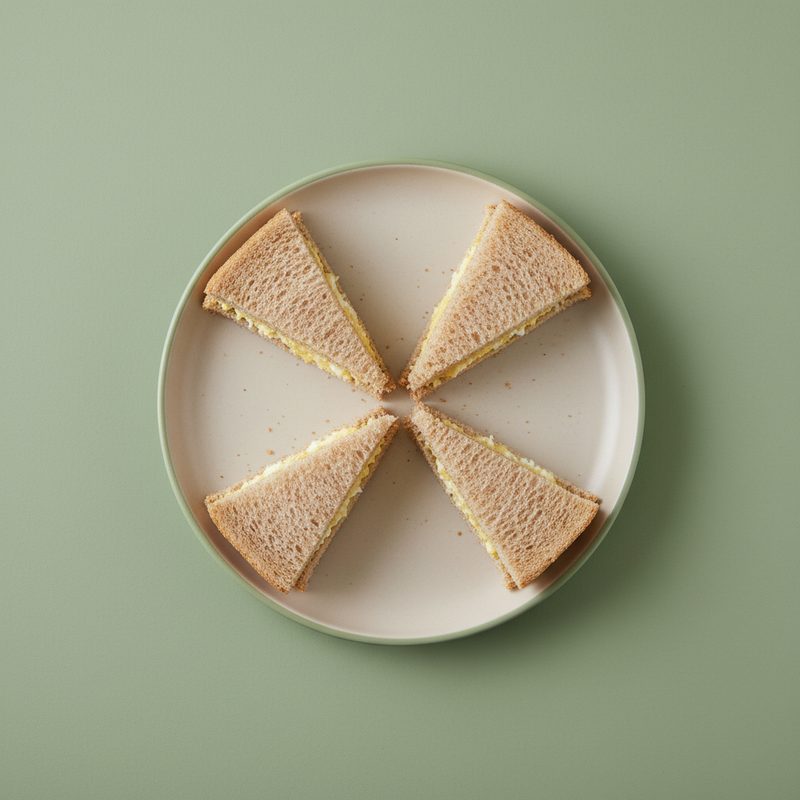 12+ months
✋ Finger food (BLW)
Offer soft sandwiches cut into small triangles or strips, with smooth fillings.
🥣 Purée or spoon
Serve bread alongside family meals, with a dip or a soup.
Have bread at home? See what you can cook
Add a second ingredient to see matching Bibful recipes.
21 Bibful recipes with bread
 Raspberry & Banana Eggy Bread10 min · from 6 months
 Spinach & Cheese Eggy Bread10 min · from 6 months
 Eggy Bread with Strawberry Yoghurt10 min · from 6 months
Free to start, with 50+ recipes free · iPhone & Android · no account needed
Preparation tips
- Toast it lightly. Fresh soft bread can form a sticky ball in the mouth; light toasting makes it easier to chew.
- Watch the salt. Bread is one of the bigger sources of salt for babies; check labels and choose lower-salt loaves.
- Skip seeds and whole nuts. Choose bread without large seeds, whole nuts or hard dried fruit.
Frequently asked questions
When can babies eat bread?
From around 6 months, as lightly toasted fingers with a soft spread. Start with a small amount, as wheat is a common allergen.
White or wholemeal bread for babies?
Both are fine. Wholemeal has more fibre; offer a mix, and keep portions small because of the salt.
More first foods
- 🍎 Apple
- 🥑 Avocado
- 🍌 Banana
- 🥩 Beef
- 🫐 Blueberries
- 🥦 Broccoli
- 🎃 Butternut squash
- 🥕 Carrot
- 🍗 Chicken
- 🥚 Egg
- 🫛 Green beans
- 🫘 Lentils
- 🥣 Oats
- 🥜 Peanut
- 🍐 Pear
- 🐟 Salmon
- 🍓 Strawberries
- 🍠 Sweet potato
- 🥛 Yogurt
Turn this into tonight’s meal
Bibful turns what's in your fridge into age-appropriate weaning meals — no account needed. Available now on iOS & Android.


This page is general information, not medical advice. It follows NHS Start for Life and World Health Organization guidance on introducing solid foods. Always stay with your baby while they eat, and speak to your health visitor or GP if you have concerns about feeding, allergies or choking.