Yogurt for Babies: How to Serve It at Every Age
- From around 6 months
- Common allergen (milk)
- Plain, full-fat, pasteurised
Plain, full-fat, pasteurised yogurt can be offered from around 6 months. Cow's milk is a common allergen, so start with a small amount and watch for a reaction. Yogurt is fine for babies; cow's milk as a main drink waits until 12 months.
📲 151 Bibful recipes with yogurtHow to serve it by age
-
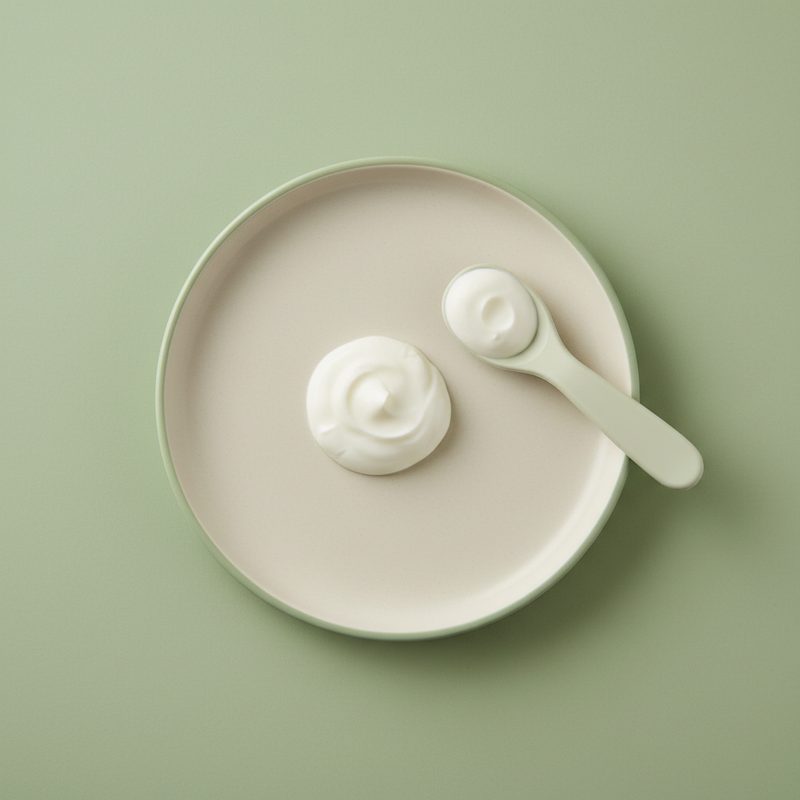 6–8 months
✋ Finger food (BLW)
Let your baby scoop thick yogurt with their hands, or hand them a preloaded spoon to bring to their mouth.
🥣 Purée or spoon
Offer a few spoonfuls on its own, or stir it into porridge or mashed fruit.
-
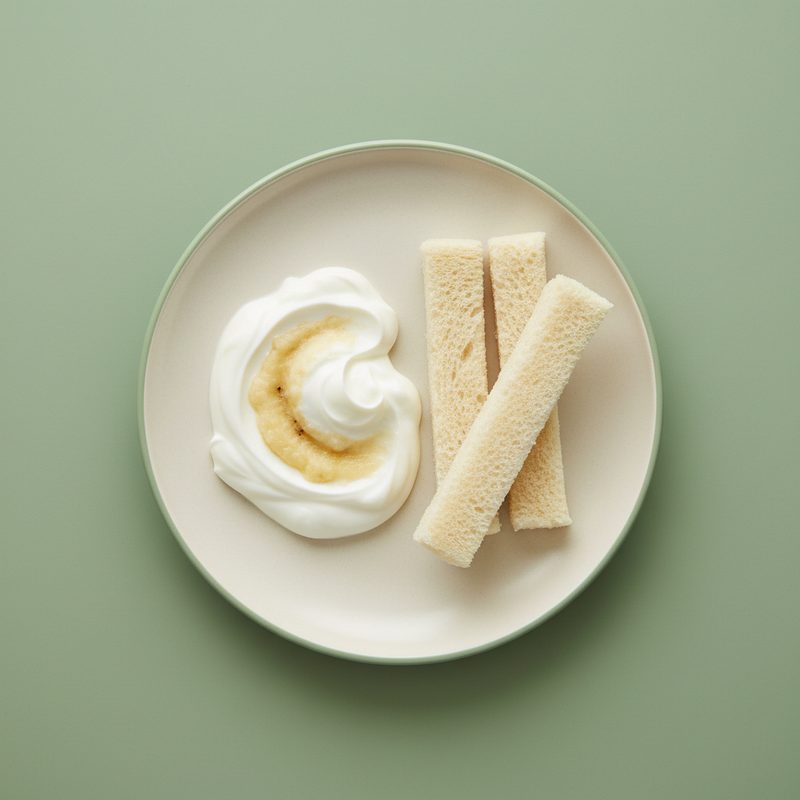 9–12 months
✋ Finger food (BLW)
Serve it as a dip for soft fingers of toast or cooked vegetables.
🥣 Purée or spoon
Stir in mashed fruit for flavour, and let your baby try the spoon themselves.
-
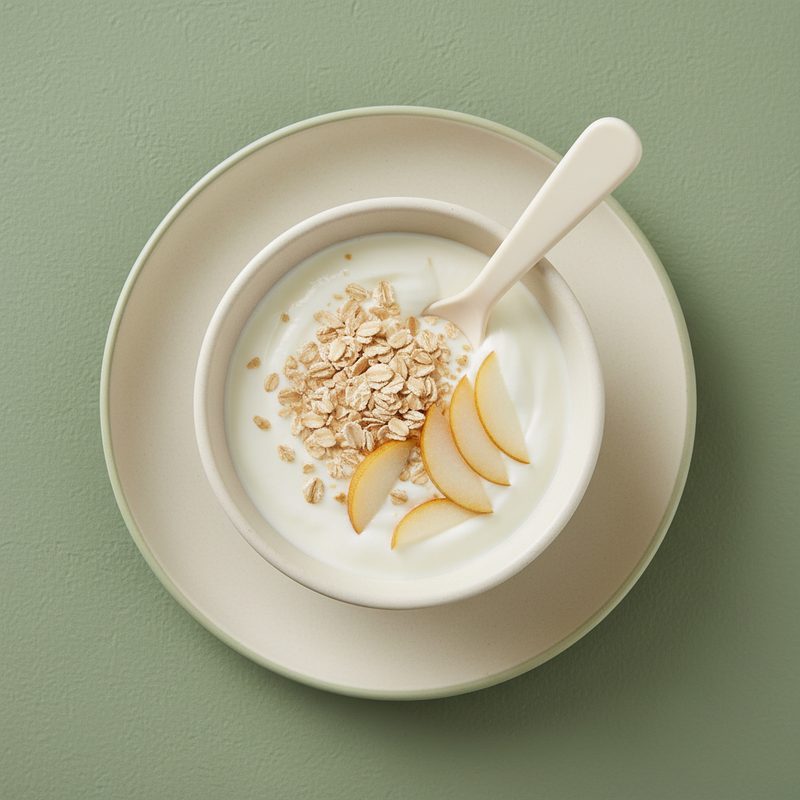 12+ months
✋ Finger food (BLW)
Rest a preloaded spoon on the edge of the bowl so your toddler can pick it up alone.
🥣 Purée or spoon
Top it with oats or small soft fruit pieces as part of breakfast.
Have yogurt at home? See what you can cook
Add a second ingredient to see matching Bibful recipes.
151 Bibful recipes with yogurt
 Avocado & Yogurt Dip3 min · from 6 months
 Banana Yogurt Oats3 min · from 6 months
 Berry Yogurt Ice Cream5 min · from 6 months
Free to start, with 50+ recipes free · iPhone & Android · no account needed
Preparation tips
- Plain and unsweetened. Flavoured and children's yogurts often contain added sugar; sweeten with mashed fruit instead.
- Full-fat, not low-fat. Babies need the energy from full-fat dairy.
- No honey before 12 months. Check that any yogurt you buy has no added honey.
Frequently asked questions
When can babies eat yogurt?
From around 6 months, as plain, full-fat, pasteurised yogurt. Start with a small amount, as milk is a common allergen.
Can babies have yogurt before they drink cow's milk?
Yes. Cow's milk can be used in food from around 6 months, but it shouldn't replace breast milk or formula as a drink until 12 months.
More first foods
- 🍎 Apple
- 🥑 Avocado
- 🍌 Banana
- 🥩 Beef
- 🫐 Blueberries
- 🍞 Bread
- 🥦 Broccoli
- 🎃 Butternut squash
- 🥕 Carrot
- 🍗 Chicken
- 🥚 Egg
- 🫛 Green beans
- 🫘 Lentils
- 🥣 Oats
- 🥜 Peanut
- 🍐 Pear
- 🐟 Salmon
- 🍓 Strawberries
- 🍠 Sweet potato
Turn this into tonight’s meal
Bibful turns what's in your fridge into age-appropriate weaning meals — no account needed. Available now on iOS & Android.


This page is general information, not medical advice. It follows NHS Start for Life and World Health Organization guidance on introducing solid foods. Always stay with your baby while they eat, and speak to your health visitor or GP if you have concerns about feeding, allergies or choking.