Green Beans for Babies: How to Serve Them at Every Age
- From around 6 months
- Not a common allergen
- Cook until very soft
Green beans are a good first vegetable from around 6 months: mild, easy to hold and full of fibre. Always cook them until very soft, so a pod squashes easily between your fingers. Raw green beans are too hard for babies.
📲 7 Bibful recipes with green beansHow to serve it by age
-
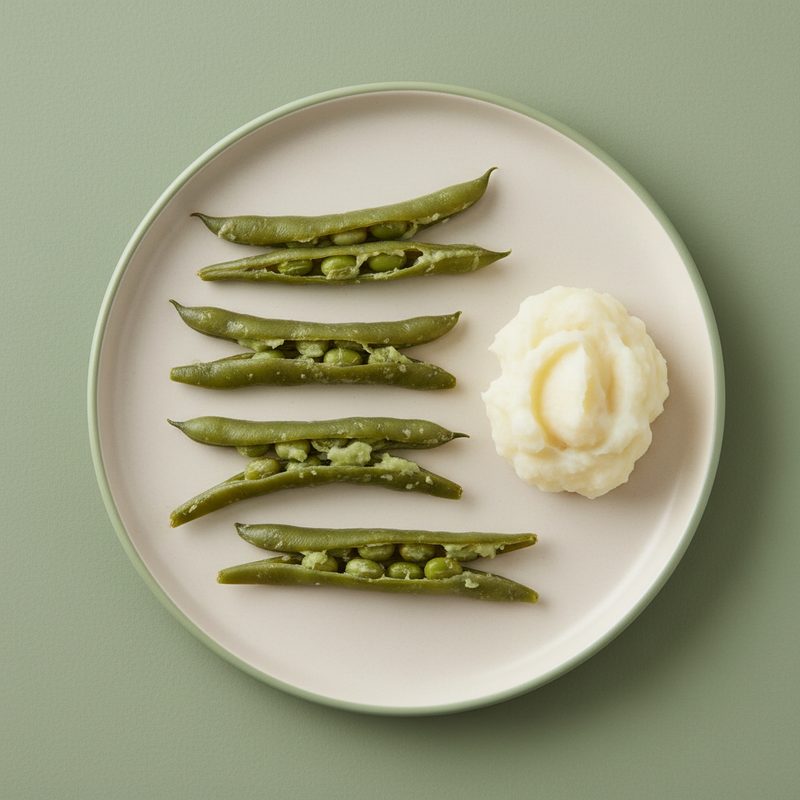 6–8 months
✋ Finger food (BLW)
Offer whole, very soft cooked pods with the ends trimmed. Press them flat with a fork to make them easier to munch.
🥣 Purée or spoon
Mash or blend cooked green beans into potato or other vegetables.
-
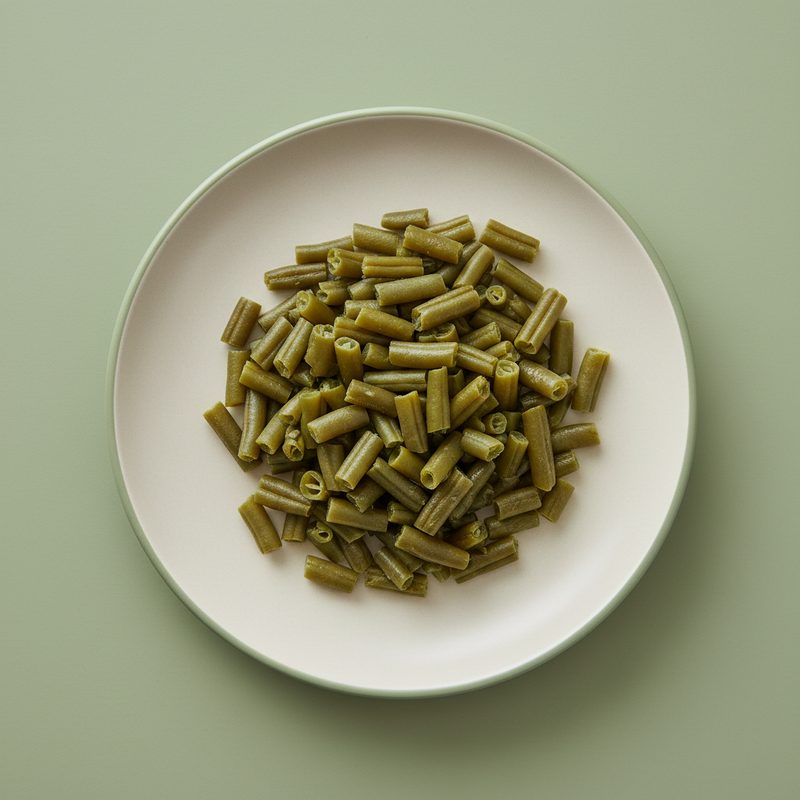 9–12 months
✋ Finger food (BLW)
Cut very soft cooked beans into short pieces of about 1 cm and flatten them slightly.
🥣 Purée or spoon
Stir chopped soft beans into pasta, rice or a vegetable mash.
-
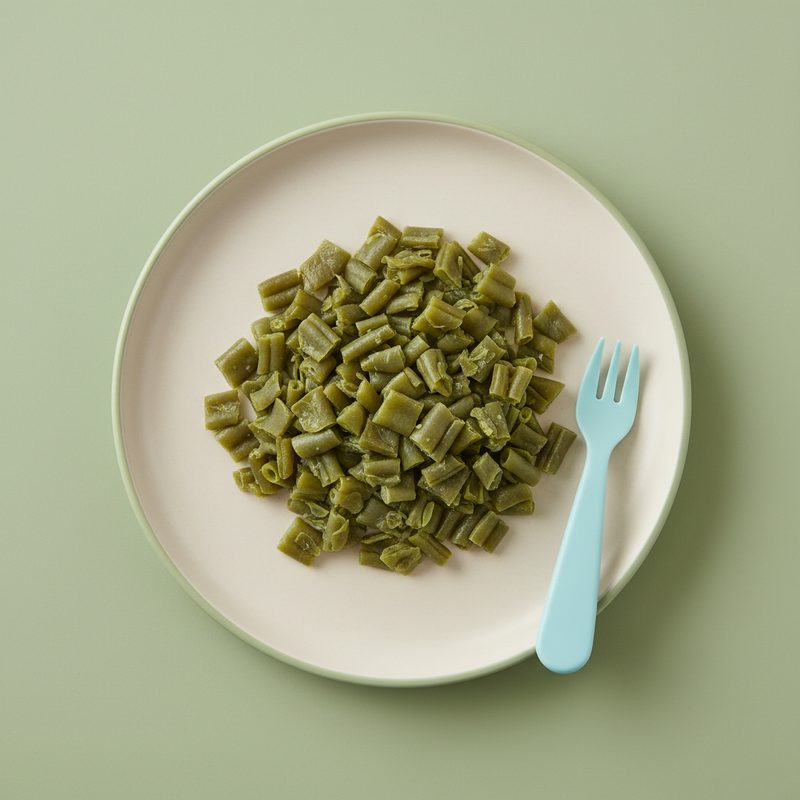 12+ months
✋ Finger food (BLW)
Offer bite-sized soft pieces and let your toddler practise with a fork.
🥣 Purée or spoon
Add chopped green beans to family stews, sauces and traybakes.
Have green beans at home? See what you can cook
Add a second ingredient to see matching Bibful recipes.
7 Bibful recipes with green beans
 Kedgeree with Egg & Green Beans20 min · from 6 months
 Sesame Tofu with Lemony Green Beans38 min · from 6 months
 Green Bean Purée15 min · from 6 months
Free to start, with 50+ recipes free · iPhone & Android · no account needed
Preparation tips
- Soft all the way through. A cooked pod should squash easily between your thumb and finger.
- Trim the ends. Cut off the stringy stalk end before cooking.
- Frozen works well. Frozen green beans cook quickly and soften evenly.
Frequently asked questions
When can babies eat green beans?
From around 6 months, cooked until very soft, as whole pods or mashed into other food.
Can babies eat raw green beans?
No. Raw beans are too hard and can cause choking. Always cook them until very soft for babies.
More first foods
- 🍎 Apple
- 🥑 Avocado
- 🍌 Banana
- 🥩 Beef
- 🫐 Blueberries
- 🍞 Bread
- 🥦 Broccoli
- 🎃 Butternut squash
- 🥕 Carrot
- 🍗 Chicken
- 🥚 Egg
- 🫘 Lentils
- 🥣 Oats
- 🥜 Peanut
- 🍐 Pear
- 🐟 Salmon
- 🍓 Strawberries
- 🍠 Sweet potato
- 🥛 Yogurt
Turn this into tonight’s meal
Bibful turns what's in your fridge into age-appropriate weaning meals — no account needed. Available now on iOS & Android.


This page is general information, not medical advice. It follows NHS Start for Life and World Health Organization guidance on introducing solid foods. Always stay with your baby while they eat, and speak to your health visitor or GP if you have concerns about feeding, allergies or choking.