Salmon for Babies: How to Serve It at Every Age
- From around 6 months
- Common allergen (fish)
- Cook through, remove all bones
Salmon can be offered from around 6 months, cooked until opaque and flaking easily. It is an oily fish, rich in omega-3. Fish is a common allergen, so start with a small amount and watch for a reaction. Check carefully for bones every time.
📲 30 Bibful recipes with salmonHow to serve it by age
-
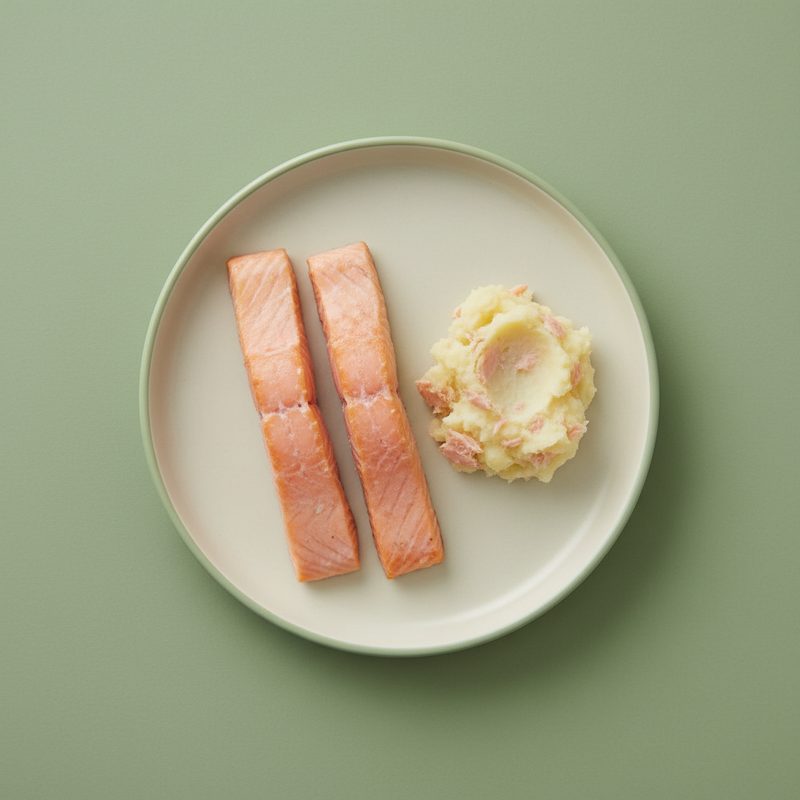 6–8 months
✋ Finger food (BLW)
Offer long, soft strips of cooked salmon with the skin and all bones removed, about two adult fingers wide.
🥣 Purée or spoon
Flake cooked salmon and mash it into potato, sweet potato or vegetables.
-
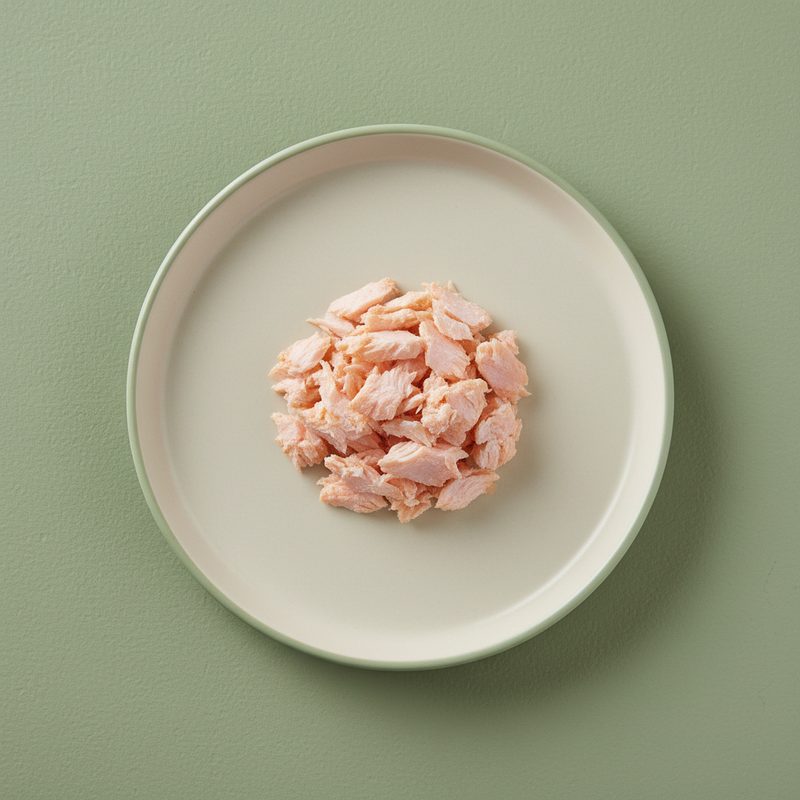 9–12 months
✋ Finger food (BLW)
Break cooked salmon into small soft flakes your baby can pick up.
🥣 Purée or spoon
Stir flaked salmon into pasta, rice or a soft vegetable sauce.
-
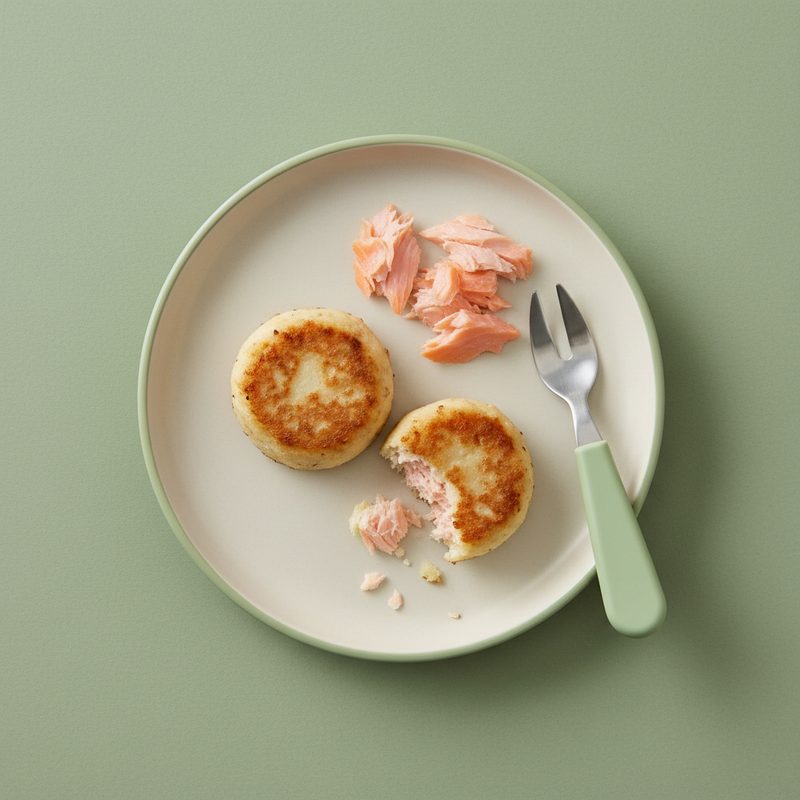 12+ months
✋ Finger food (BLW)
Offer flakes or soft homemade fish cakes, and let your toddler practise with a fork.
🥣 Purée or spoon
Serve salmon as part of family pasta, rice or traybake meals.
Have salmon at home? See what you can cook
Add a second ingredient to see matching Bibful recipes.
30 Bibful recipes with salmon
 Edamame, Avocado & Salmon Flatbread10 min · from 6 months
 Salmon Pâté on Toast13 min · from 6 months
 Salmon & Carrot Soup17 min · from 6 months
Free to start, with 50+ recipes free · iPhone & Android · no account needed
Preparation tips
- Check for bones every time. Run your fingers through the flakes; even fillets can hide small pin bones.
- Fresh or frozen, not smoked. Smoked salmon is high in salt; use plain cooked salmon for babies.
- Mind the oily fish limit. The NHS advises no more than 2 portions of oily fish a week for girls, and up to 4 for boys.
Frequently asked questions
When can babies eat salmon?
From around 6 months, well cooked, with the skin and all bones removed. Start with a small amount, as fish is a common allergen.
Can babies eat smoked salmon?
It's best avoided for babies, as smoked salmon is high in salt. Offer plain cooked salmon instead.
More first foods
- 🍎 Apple
- 🥑 Avocado
- 🍌 Banana
- 🥩 Beef
- 🫐 Blueberries
- 🍞 Bread
- 🥦 Broccoli
- 🎃 Butternut squash
- 🥕 Carrot
- 🍗 Chicken
- 🥚 Egg
- 🫛 Green beans
- 🫘 Lentils
- 🥣 Oats
- 🥜 Peanut
- 🍐 Pear
- 🍓 Strawberries
- 🍠 Sweet potato
- 🥛 Yogurt
Turn this into tonight’s meal
Bibful turns what's in your fridge into age-appropriate weaning meals — no account needed. Available now on iOS & Android.


This page is general information, not medical advice. It follows NHS Start for Life and World Health Organization guidance on introducing solid foods. Always stay with your baby while they eat, and speak to your health visitor or GP if you have concerns about feeding, allergies or choking.