Coconut for Babies: When to Start and How to Serve It
- From around 6 months
- Allergy is rare
- Finely desiccated, no chunks
Coconut allergy is rare, and coconut isn’t one of the 14 allergens that must be labelled in the UK and EU, but some babies do react to it, so offer a little at first, as with any new food. From around 6 months you can stir coconut milk into purées and porridge or roll soft fruit in finely desiccated coconut. Chunks of fresh coconut and coconut flakes are hard and chewy, so they’re a choking risk.
📲 34 Bibful recipes with coconutHow to serve it by age
-
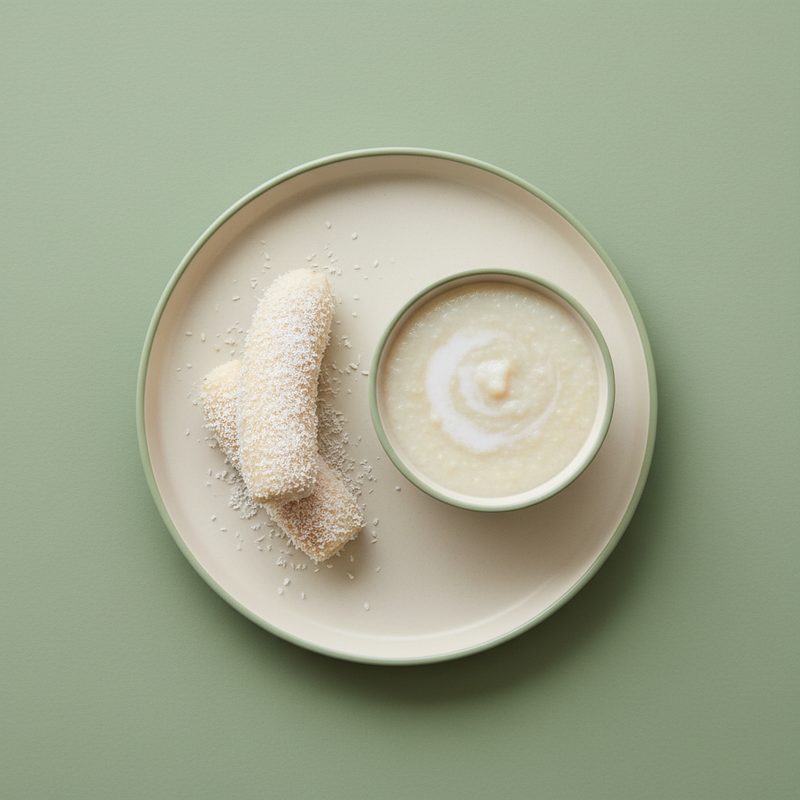 6–8 months
✋ Finger food (BLW)
Soft fruit such as ripe banana rolled in finely desiccated coconut.
🥣 Purée or spoon
Stir a little coconut milk into vegetable purée, lentils or porridge.
-
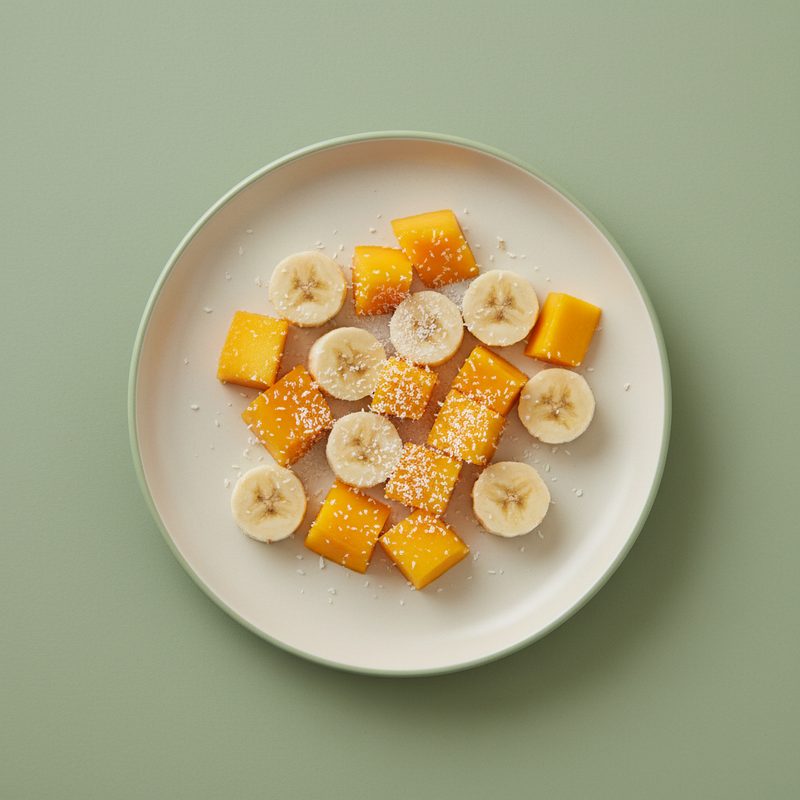 9–12 months
✋ Finger food (BLW)
Soft fruit pieces or pancake fingers dusted with finely desiccated coconut.
🥣 Purée or spoon
Cook rice, lentils or vegetables in coconut milk.
-
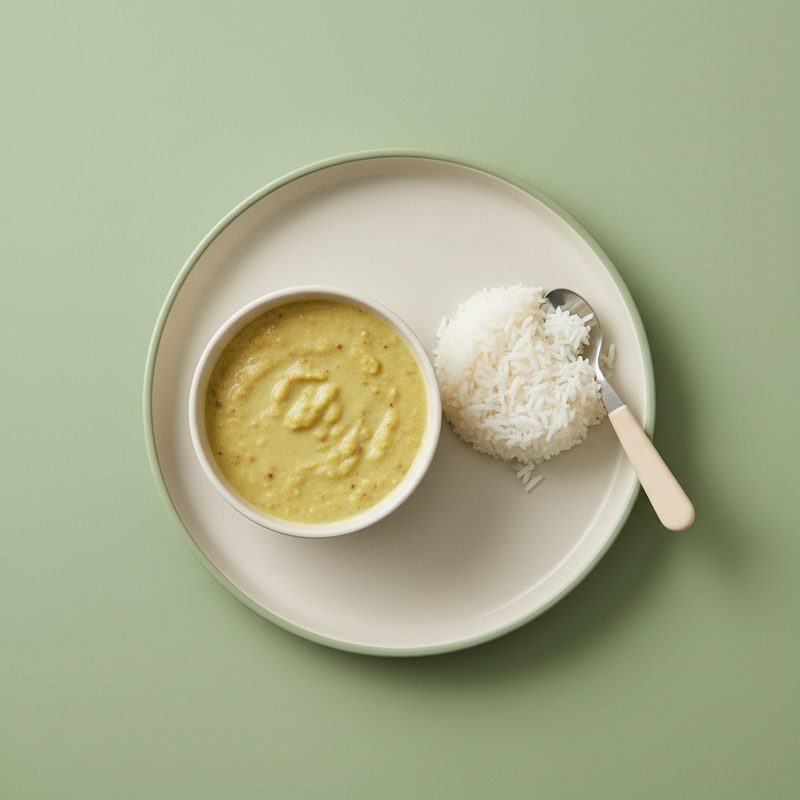 12+ months
✋ Finger food (BLW)
Desiccated coconut baked into soft muffins or flapjacks.
🥣 Purée or spoon
Mild coconut curries and dals with soft rice.
Have coconut at home? See what you can cook
Add a second ingredient to see matching Bibful recipes.
34 Bibful recipes with coconut
 Banana, Coconut & Blueberry Pancakes13 min · from 6 months
 Coconut Quinoa Porridge20 min · from 6 months
 Coconut Crumb Fish Fingers30 min · from 6 months
Free to start, with 50+ recipes free · iPhone & Android · no account needed
Preparation tips
- Fine, never chunks. Fresh coconut chunks and coconut flakes are hard and chewy; use finely desiccated coconut or coconut milk.
- Coconut milk is for cooking. Use tinned coconut milk in food, not as a drink.
- Unsweetened only. Choose unsweetened desiccated coconut and coconut milk with no added sugar.
Frequently asked questions
When can babies have coconut?
From around 6 months, once your baby has started solids, as coconut milk in food or finely desiccated coconut on soft fruit.
Is coconut a nut?
No, coconut is a fruit, and most children with a tree nut allergy can eat it. If your baby has a nut allergy, ask your GP before introducing coconut.
What are the signs of an allergic reaction?
Signs can include hives or a rash, swelling of the lips or face, vomiting, or coughing and wheezing, usually soon after eating. If your baby has trouble breathing or swallowing, call emergency services straight away. For milder signs, stop giving coconut and speak to your GP.
More first foods
- 🍎 Apple
- 🥑 Avocado
- 🍌 Banana
- 🥩 Beef
- 🫐 Blueberries
- 🍞 Bread
- 🥦 Broccoli
- 🎃 Butternut squash
- 🥕 Carrot
- 🥦 Cauliflower
- 🌿 Celery
- 🧀 Cheese
- 🍗 Chicken
- 🫘 Chickpeas
- 🥒 Courgette
- 🥚 Egg
- 🫛 Green beans
- 🍖 Lamb
- 🫘 Lentils
- 🥭 Mango
- 🥛 Cow’s milk
- 🥣 Oats
- 🍝 Pasta
- 🥜 Peanut
- 🍐 Pear
- 🫛 Peas
- 🥔 Potato
- 🦐 Prawns
- 🫑 Red pepper
- 🍚 Rice
- 🐟 Salmon
- 🥬 Spinach
- 🍓 Strawberries
- 🍠 Sweet potato
- 🥄 Tahini
- Tofu
- 🍅 Tomato
- 🌰 Walnut
- 🥛 Yogurt
Turn this into tonight’s meal
Bibful turns what's in your fridge into age-appropriate weaning meals — no account needed. Available now on iOS & Android.


This page is general information, not medical advice. It follows NHS Start for Life and World Health Organization guidance on introducing solid foods. Always stay with your baby while they eat, and speak to your health visitor or GP if you have concerns about feeding, allergies or choking.